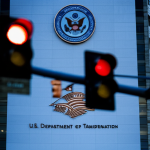
Federal automotive safety regulators have significantly escalated their scrutiny of Tesla's driver-assistance technologies, opening a massive new inquiry that covers approximately 2.9 million vehicles. The National Highway Traffic Safety Administration (NHTSA) is investigating reports that the automaker's systems-specifically Full Self-Driving (FSD)-may allow vehicles to violate traffic laws, such as running red lights and failing to stop at intersections. This latest action, reported in October 2025, represents the apex of a multi-year regulatory tightening that challenges the current trajectory of autonomous vehicle deployment on public roads.
The investigation comes on the heels of a series of probes launched between 2024 and 2025, painting a picture of a regulatory body increasingly skeptical of "beta" software testing on public highways. With previous investigations linking the technology to fatal collisions in low-visibility conditions like fog and glaring sun, the stakes extend beyond one company. The outcome of these probes is expected to set the definitive safety baseline for the entire autonomous driving industry.
A Timeline of Escalating Scrutiny
The regulatory pressure has been mounting steadily. According to reports from Reuters and The Guardian in October 2025, the NHTSA's Office of Defects Investigation (ODI) opened a preliminary evaluation into 2.9 million vehicles after identifying incidents where the system "failed to remain stopped for the duration of a red traffic signal" or failed to detect the signal state entirely.
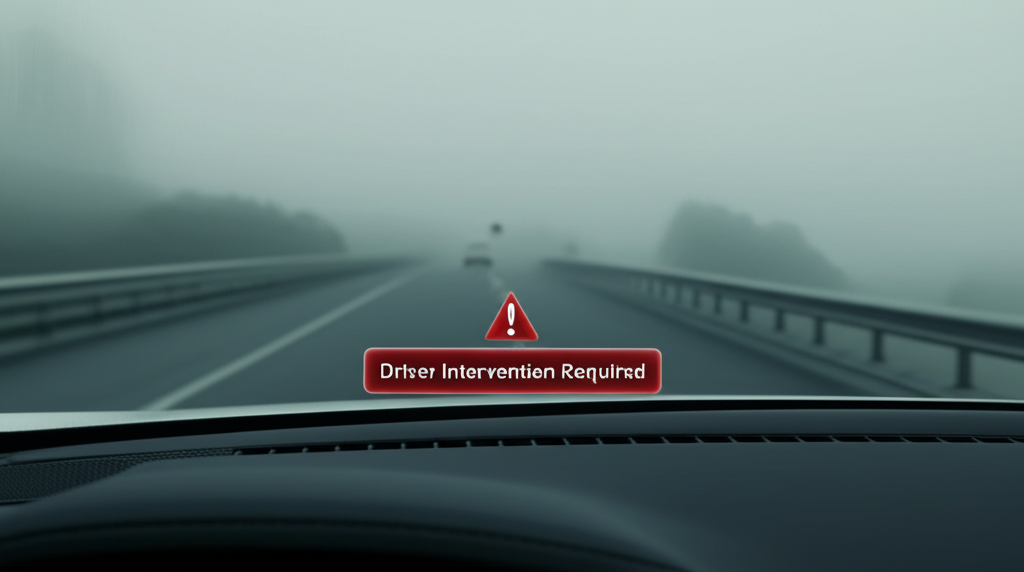
This follows a specific investigation launched a year prior. In October 2024, regulators began probing 2.4 million vehicles after four reported crashes involving FSD in reduced roadway visibility conditions. According to the Washington Post, these incidents occurred during fog, dust, or sun glare-environmental factors that challenge camera-based perception systems. One of these collisions tragically resulted in a fatality.
The agency's actions are rooted in a pattern of concern. Back in April 2024, the NHTSA opened a "recall query" to determine if a software fix deployed by Tesla in December 2023 was actually effective. At the time, The Verge reported that the agency wanted to assess if the update did enough to ensure drivers remained attentive. By May 2024, CNBC reported that the NHTSA had threatened fines of up to $135 million if the automaker failed to provide detailed crash data required for the investigation.
The Core Safety Concerns
At the heart of these investigations are two critical issues: system capabilities in adverse weather and the effectiveness of driver monitoring. The NHTSA's analysis has previously identified hundreds of crashes-including 13 deadly ones-where the system allegedly failed to protect occupants or was misused. The specific focus on "low visibility" conditions in the October 2024 probe raises technical questions about the reliance on camera-only systems versus sensor suites that include LiDAR or radar, which are used by many competitors.
"The investigation will consider why these updates were not a part of the recall or otherwise determined to remedy a defect that poses an unreasonable safety risk." - NHTSA Statement via Axios, regarding the efficacy of software updates.
Implications for Industry and Society
Regulatory and Political Impact
The shift from passive observation to active enforcement signals a new era in Washington. For years, the prevailing political sentiment was to allow innovation to outpace regulation. However, the sheer volume of vehicles now equipped with beta-level software has forced a recalibration. If the NHTSA determines that the software poses an "unreasonable risk to safety," as Reuters notes is the criteria for a recall, it could force hardware retrofits or severe restrictions on where the software can be engaged.
Technological and Business Consequences
For the automotive industry, this scrutiny challenges the "software-defined vehicle" business model, where features are sold as over-the-air updates. If regulators decide that a car cannot reliably see through fog or distinguish a red light due to hardware limitations, software patches may not be enough. This could impact valuations and delays in the rollout of true "robotaxi" fleets, a key promise for investors.
Consumer Confidence
Public trust is the ultimate casualty of repeated probes. With reports from CBS News highlighting crashes involving motorcyclists and pedestrians, the narrative is shifting from "futuristic convenience" to "public hazard." The recurrence of investigations following "fixes" suggests a disconnect between the speed of Silicon Valley development and the safety standards required for public infrastructure.
Outlook: What Happens Next?
The investigation into the 2.9 million vehicles is currently in the "preliminary evaluation" phase. Historically, this can lead to an upgrade to an "engineering analysis" and eventually a mandatory recall. However, given the scope-covering traffic signal violations and visibility issues-the remedy may require more than code. We are likely approaching a regulatory showdown that will determine whether current hardware stacks are sufficient for the autonomous future promised to consumers, or if the industry must return to the drawing board to prioritize public safety over deployment speed.