SAN FRANCISCO - By the close of 2025, the narrative surrounding artificial intelligence has undergone a fundamental transformation. What was once a landscape dominated by experimental chatbots and novelty image generators has solidified into a critical layer of global digital infrastructure. No longer defined by breathless hype, generative AI has entered a phase of "invisible integration," embedding itself into operating systems, eyewear, and everyday workflows. This shift from experimentation to utility is driving profound changes in consumer behavior, with data indicating that AI is now a primary engine for retail traffic and personal organization.
The transition is characterized by the rise of "ambient computing"-where technology recedes into the background. According to reports from EIMT, AI-native interfaces in 2025 have moved beyond traditional screens to incorporate voice, gesture, and environmental cues. This evolution is evident in the hardware market, where devices like the Humane AI Pin and newly launched smart eyewear are attempting to decouple computing from the smartphone screen. Yet, despite these futuristic form factors, the most significant commercial impacts are occurring on desktop devices, fundamentally altering how consumers shop and work.
The Great Normalization: Key Data and Developments
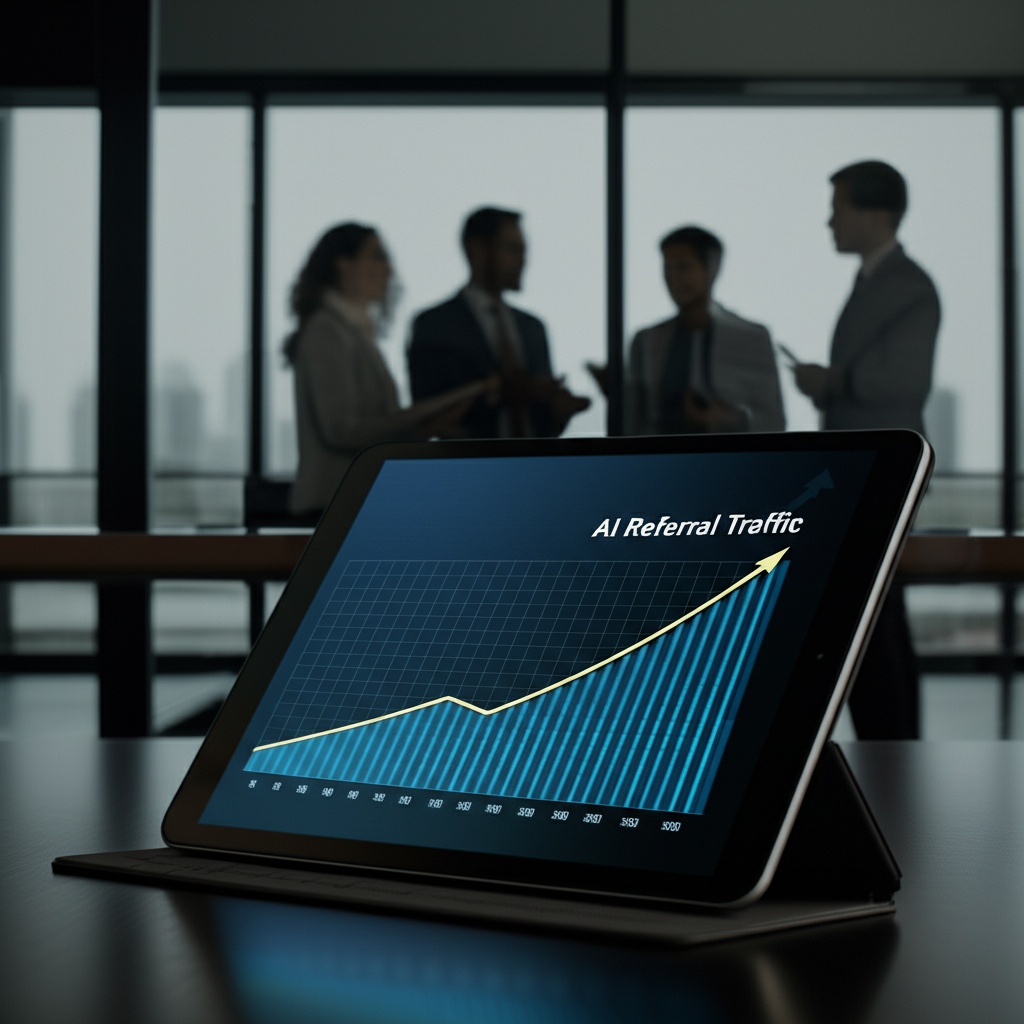
The clearest indicator of AI's maturity is its integration into the consumer economy. Research from Adobe Analytics reveals a staggering shift in e-commerce: traffic to U.S. retail websites from generative AI sources jumped 1,200 percent between November 2024 and February 2025. This surge suggests that consumers are increasingly using AI agents to curate shopping lists, compare products, and find deals before ever visiting a retailer's site.
Contrary to the mobile-first trend of the last decade, this AI-driven commerce is heavily skewed toward desktop usage. Adobe's data indicates that 86 percent of this AI referral traffic comes through desktop devices. Analysts suggest this is because consumers find it easier to navigate the complex, back-and-forth dialogue required for deep AI interaction on larger screens.
On the hardware front, 2025 has seen significant launches aimed at bringing this intelligence into the physical world. On November 27, 2025, Alibaba launched a new series of Quark AI glasses. According to Crescendo AI, these glasses blend everyday eyewear design with the Qwen model to support real-time translation and object recognition, signaling a push for hands-free, intelligent assistance in daily life.
The "Hype Correction" and Technological Context
The industry is currently experiencing what MIT Technology Review calls "the great AI hype correction of 2025." The publication draws a parallel to the smartphone market: just as new iPhones now launch with little fanfare because the technology is mature and ubiquitous, generative AI has become a standard, expected feature. SQ Magazine reports that 82 percent of top-tier mobile apps launched in 2025 include at least one AI-enabled feature, such as personalization or voice-to-text.
Underpinning this ubiquity is a shift toward "on-device" or "edge" AI. Ailoitte notes that thanks to hardware innovations, 2025 is witnessing a massive shift toward processing AI tasks locally on devices rather than in the cloud. Uptech highlights the role of the Snapdragon X Elite processor, which allows enterprise devices to run productivity assistants and copilots locally, even offline. This development addresses critical concerns regarding data privacy and latency, making AI tools faster and more secure for corporate use.
Expert Perspectives on Human-AI Interaction
While adoption is skyrocketing, the human element remains a point of friction and focus. Euromonitor International's Top Global Consumer Trends 2025 report emphasizes that while the potential of generative AI is immense, consumers are explicitly demanding "human oversight." There is a palpable hesitation to hand over complete autonomy to algorithms.
"Tools: General AI assistants remain the default for those using AI to support connection... However, specialized AI tools are quickly gaining traction, especially among users seeking to form new relationships with AI." - Menlo Ventures, The State of Consumer AI 2025
This demand for connection is reshaping the social landscape. Menlo Ventures reports that platforms like Character.AI and Replika now account for significant portions of specialized AI tool usage. Furthermore, United Snap notes that smart assistants can now offer mental health check-ins using "empathetic algorithms," suggesting a deepening emotional reliance on these systems.
Implications for Business and Society
Marketing and Retail Disruption
For the business sector, the implications of the 2025 shift are stark. Microsoft Advertising and WordStream report that AI is now fundamental to creative workflows, allowing marketers to create videos, music, and 3D visuals effortlessly. This has accelerated the iteration cycle for ad campaigns, enabling hyper-personalization at scale. However, the massive jump in AI-referral traffic means brands must now optimize their digital presence not just for human eyes, but for the AI agents that are curating options for those humans.
Responsible Use and Education
The societal impact extends to education and safety. Acknowledging the risks of deepfakes and misinformation, Crescendo AI reports that TikTok has launched a US$2 million global AI literacy fund. This initiative aims to educate users and nonprofits on recognizing and responsibly using AI-generated media, highlighting the industry's recognition that tool availability has outpaced user literacy.
Outlook: The Road to 2026
Looking ahead, the line between generated entertainment and traditional media is set to blur further. Andreessen Horowitz highlights bold predictions from industry titans, noting that Elon Musk has publicly announced expectations for a "watchable" movie and a "great" AI-generated game from Grok before the end of 2026. As 2025 draws to a close, the technology has successfully navigated the trough of disillusionment to become a reliable utility. The challenge for 2026 will be balancing this seamless convenience with the persistent human need for authenticity and oversight.