In a decisive move that escalates the global regulatory crackdown on Big Tech, the Danish government has announced a comprehensive plan to ban social media access for children under the age of 15. The initiative, led by the Ministry of Digitalization, marks one of the most aggressive legislative efforts in Europe to curb the influence of digital platforms on youth mental health. According to recent announcements, the minority government has secured the necessary backing from both coalition partners and opposition parties, setting the stage for legislation expected to be enacted by mid-2026.
The agreement reflects a growing consensus among lawmakers that voluntary safety measures by tech giants have failed. Prime Minister Mette Frederiksen has been a vocal proponent of the restriction, stating that mobile phones and social media are "stealing" children's childhoods. The proposed ban is not merely a guideline but a strict legal framework that subjects non-compliant platforms to substantial financial penalties, mirroring similar moves recently undertaken by Australia.
Key Provisions of the Proposal
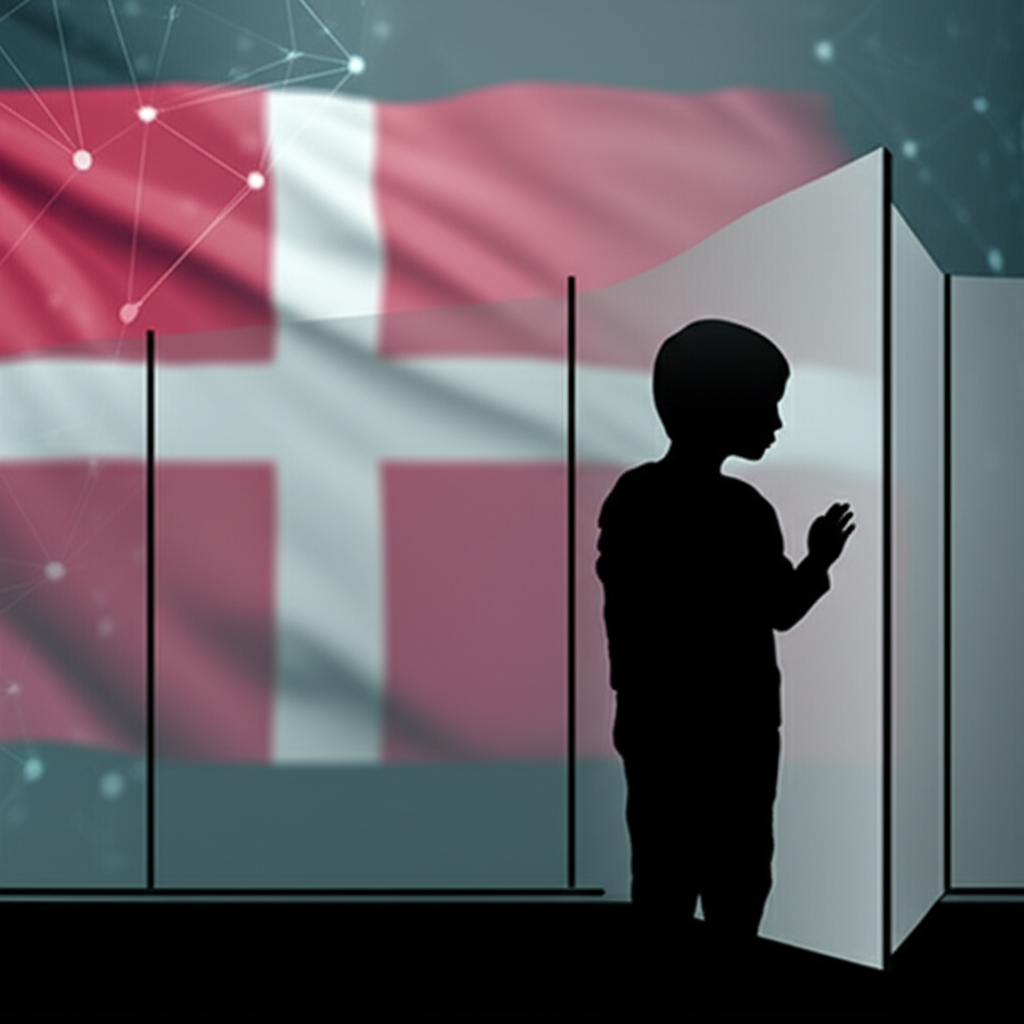
The core of the legislation is a prohibition on account creation and access for any user under the age of 15. However, the proposal introduces a nuanced "digital parenthood" exception. According to AP News, the framework allows parents to grant consent for children as young as 13 to access certain platforms, contingent upon assessment. This provision aims to balance state protection with parental autonomy, acknowledging that some teenagers may be ready for digital engagement earlier than others.
Enforcement mechanisms appear severe. Reports from DW indicate that the legislation subjects social media platforms to fines of up to 50 million Australian dollars (approximately €30 million or $32.3 million) for allowing children under the restrictive age limits to create accounts. This financial threat is designed to force platforms to implement robust age-verification technologies rather than relying on self-reported birthdates.
Political Consensus and Timeline
The political pathway for this ban appears clear. As of December 2025, the government has solidified an agreement with three governing coalition parties and two opposition parties. This broad parliamentary support suggests the bill will face few hurdles when it moves to a formal vote. Authorities expect the rules to become law by mid-2026, giving platforms and regulators a window to establish the technical infrastructure required for compliance.
Global Trends: The "Australia Effect"
Denmark's move is not happening in isolation. It explicitly follows a trail blazed by Australia, which has similarly moved to ban social media for users under 16. The alignment between these nations highlights a shifting paradigm in Western democracies: the burden of online safety is moving from the individual user to the platform provider.
"Denmark has announced a landmark agreement to prohibit social media access for children under the age of 15, a move designed to intensify pressure on major tech platforms amid escalating global concerns over the influence of harmful content." - The Independent
While the European Union has implemented the Digital Services Act (DSA) to regulate content, individual member states like Denmark are pushing for stricter age-gating, arguing that content moderation alone is insufficient to protect developing minds from the addictive nature of algorithmic feeds.
Implementation Challenges and Skepticism
Despite the strong political will, the technical reality of enforcing such a ban remains a point of contention. The primary challenge lies in effective age verification that respects user privacy. Critics and tech experts have pointed out that without biometric data or government ID integration, verification systems can be circumvented.
Online communities have already begun discussing workarounds. Discussions on platforms like Reddit highlight a common sentiment among tech-savvy users: that the ban may simply drive traffic to Virtual Private Networks (VPNs). As one Reddit thread noted, "Denmark is making children use VPNs," suggesting that rather than stopping access, the law might simply push youth activity underground where it is harder to monitor.
The Impact on Families and Schools
For Danish families, the legislation promises a significant cultural shift. The government's rhetoric focuses on "reclaiming childhood," implying a desire to return to offline play and socialization. However, the provision allowing parental consent from age 13 places a complex burden on parents, who must now act as gatekeepers in a legally formalized way.
The Ministry of Digitalization has indicated that assessments will be required for the 13-to-14-year-old exception, though the specific criteria for this assessment remain to be detailed. This creates a two-tier system where social media access becomes a privilege granted through parental and potentially bureaucratic approval, rather than a default right.
Outlook: A New Era of Digital Borders?
As Denmark moves toward the mid-2026 implementation target, the eyes of the world-and particularly the European Union-will be on Copenhagen. If successful, the Danish model could serve as a blueprint for other nations grappling with the youth mental health crisis associated with digital media. However, if the technical enforcement proves porous, it may serve as a cautionary tale about the limits of national legislation in a borderless digital world.
With fines of millions of dollars on the table, the immediate reaction from social media conglomerates will likely involve intense lobbying and potential legal challenges regarding jurisdiction and technical feasibility. But for now, the political message from Denmark is unambiguous: the era of unrestricted digital access for children is coming to an end.