A New Hub for Digital Creativity
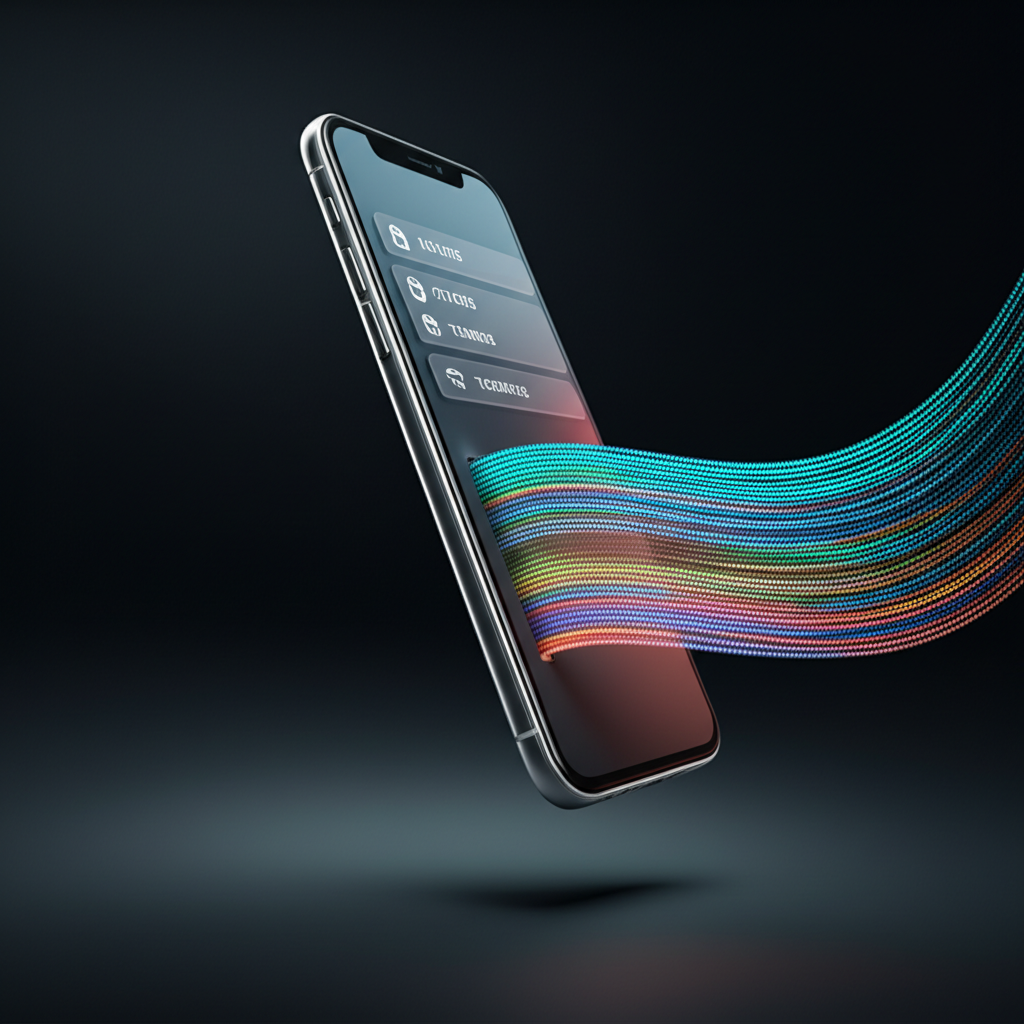
OpenAI has fundamentally restructured the user experience of its flagship product, launching a dedicated "Images" tab within ChatGPT that transforms the platform from a conversational text interface into a robust creative studio. Announced in mid-December 2025, this major update introduces a specialized home for image generation accessible via the sidebar on both web and mobile applications. According to company announcements, the update is designed to streamline the creative process by offering dozens of preset filters and trending prompts, moving beyond the "blank box" anxiety that often hinders users of generative AI.
The release marks a strategic pivot for the San Francisco-based AI giant as it faces intensifying competition in the multimodal space. Reports from Mashable indicate that this update is part of OpenAI's counterattack against Google's recent momentum with its "Nano Banana" model. By embedding a more application-like interface directly into ChatGPT, OpenAI is attempting to retain users who require precise visual tools without needing to switch to specialized standalone software.
Key Features: Speed, Precision, and Presets
The technical specifications of this update, described as "GPT Image 1.5" in some reports, suggest a significant leap in performance. Windows Central reports that the new model generates images up to four times faster than previous iterations. This speed enhancement is paired with a critical improvement in consistency; the model focuses on keeping lighting, composition, and facial features stable across revisions, addressing one of the most persistent complaints regarding AI image generators.
Usability improvements are equally prominent. The Verge notes that the new Images tab includes curated options based on current trends, effectively guiding users toward popular aesthetic styles. For example, Fotor highlights that users have already begun leveraging these presets to apply specific styles, such as a "Studio Ghibli filter," to transform personal photos into animated art. This feature set aims to democratize prompt engineering, allowing casual users to achieve professional-grade results through a simple menu selection rather than complex text descriptions.
"Whether you're creating something from scratch or editing a photo, you'll get the output you're picturing. It makes precise edits while keeping details intact." - OpenAI Announcement
From Text Prompts to Creative Studio
The shift to a dedicated tab represents a departure from the purely chat-based interaction model that defined ChatGPT's early years. According to All About AI, the new interface is designed to function more like a "creative studio." This workflow allows for complex manipulation of images that goes far beyond simple generation. PCMag details how the updated model excels at specific editing tasks such as adding, subtracting, combining, blending, and transposing elements. In one demonstrated use case, a user was able to swap a single person in a group photo with an anime-style version of themselves while leaving the rest of the image-and the other subjects-completely untouched.
Fidji Simo, identified in reports as a key executive involved in the app's strategy, emphasized in a blog post that the goal is to bridge the gap between a user's mental concept and the digital output. By integrating trending prompts and style presets directly into the UI, OpenAI is acknowledging that discovery and inspiration are just as important as the generation technology itself.
Implications for the Creative Economy
The introduction of these tools has broad implications for the digital content landscape. TechRadar suggests that the ability to utilize pre-built templates could change how content is created at scale, lowering the barrier to entry for high-quality visual assets. For businesses, this means rapid prototyping and marketing asset creation can happen within the same interface used for copywriting and coding assistance.
However, this ease of access comes with renewed scrutiny regarding safety and authenticity. Blockchain News reports that alongside the feature launch, OpenAI implemented updated safety filters in December 2025. These measures are critical to preventing the generation of harmful content or deepfakes, a concern that scales linearly with the model's increased realism and editing precision. The ability to seamlessly blend and transpose elements in photos raises the stakes for visual misinformation, necessitating robust moderation layers.
Market Dynamics: The GPU Crunch and Competition
While the software upgrade improves user experience, it also places immense pressure on infrastructure. Windows Central notes that CEO Sam Altman faces a "GPU crunch" as the demand for faster, high-fidelity image generation spikes. Offering 4x faster generation speeds to millions of users requires significant computational overhead. This rollout is likely a direct response to Google's advancements, specifically the "Nano Banana" competitor mentioned by Mashable, signaling that the AI wars have moved from text-based benchmarks to multimodal user experience battles.
Outlook: The Multimodal Future
Looking ahead, experts predict that multimodal capabilities will become the standard baseline for all AI assistants. As noted by ChatGpt Free's analysis of future trends, chatbots are rapidly moving beyond text to handle multiple forms of media simultaneously. The new Images tab is likely just the first of several specialized interfaces we can expect within ChatGPT, as the platform evolves into a comprehensive operating system for creativity. With the integration of text, code, and now a dedicated visual studio, the line between a chatbot and a full-fledged creative suite has been permanently blurred.