SAN JOSE, Calif. - In a move that could fundamentally reshape the landscape of American digital finance, PayPal Holdings, Inc. has officially applied for a banking charter, signaling its intent to transition from a payment processor to a direct lender. The company announced late Monday that it has submitted applications to the Federal Deposit Insurance Corporation (FDIC) and the Utah Department of Financial Institutions to establish "PayPal Bank" as a state-chartered industrial loan company (ILC).
The filing marks a pivotal strategic shift for the fintech giant, which has historically relied on third-party bank partners like WebBank to issue loans and hold customer deposits. By securing its own charter, PayPal aims to bring these functions in-house, potentially unlocking higher margins and greater control over its financial products. However, the application is expected to face intense scrutiny from community bankers and regulators wary of blurring the historical separation between commerce and banking.
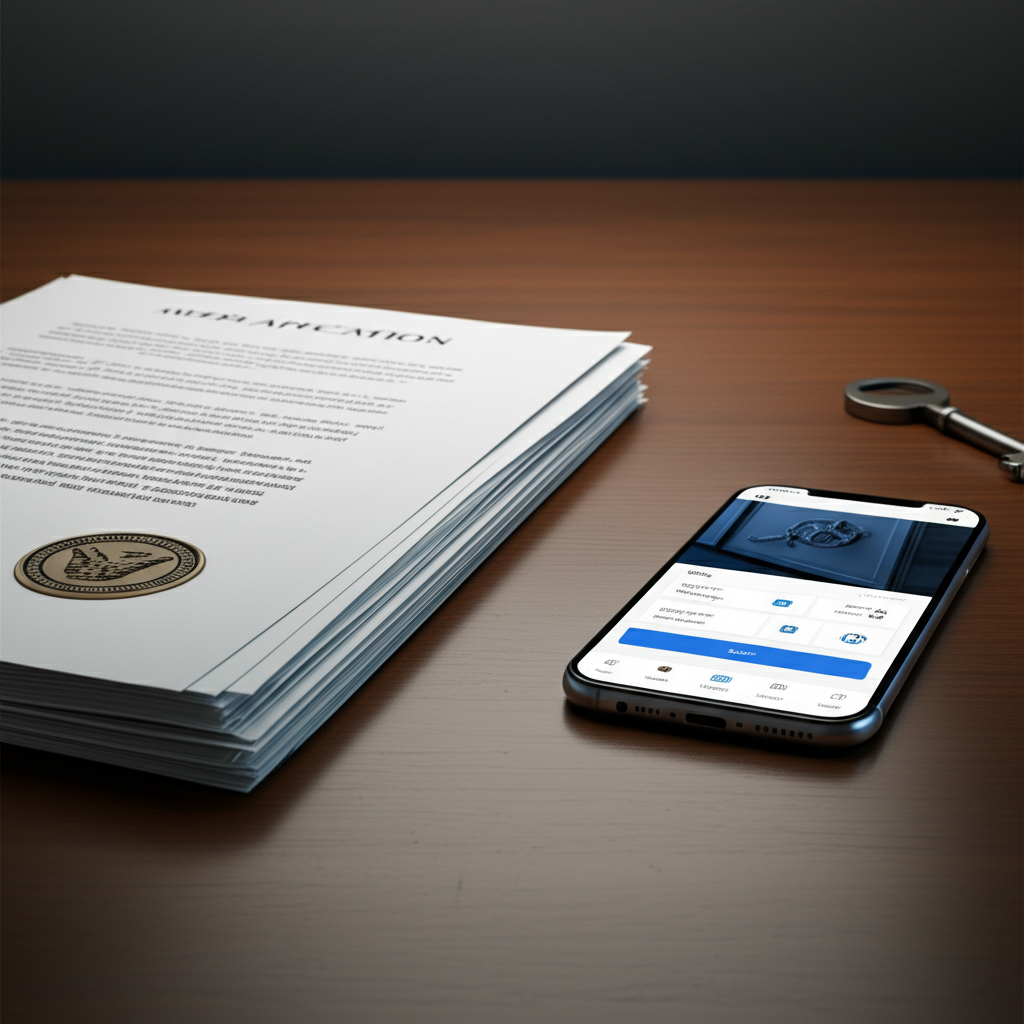
The Push for 'PayPal Bank'
According to press releases issued by the company, the proposed PayPal Bank would operate under a Utah ILC charter. This specific type of charter allows non-bank parent companies to own a bank that can accept deposits and issue loans, without the parent company necessarily becoming a bank holding company subject to direct Federal Reserve supervision.
If approved, the bank would be led by Mara McNeill, the former president and CEO of Toyota Financial Savings Bank, who brings significant experience in managing industrial banks. Banking Dive reports that PayPal has already extended $30 billion in loans and working capital to small businesses through its partnerships. Bringing this volume onto its own balance sheet could significantly improve efficiency.
"Establishing PayPal Bank will strengthen our business and improve our efficiency, enabling us to better support small business growth and economic opportunities across the U.S." - Alex Chriss, CEO of PayPal
Strategic Implications: Cutting Out the Middleman
The primary driver behind this move appears to be unit economics and strategic autonomy. Seeking Alpha analysts suggest that an ILC charter would allow PayPal to capture the full economic value of its lending operations, rather than splitting revenue with partner banks. Furthermore, eMarketer notes that a charter would enable direct connections to card networks and the ability to offer interest-bearing savings accounts directly to users.
A Trend of Fintech Maturity
PayPal is not the first fintech to walk this path. Block (formerly Square) successfully obtained an ILC charter in 2020, setting a precedent for payment companies to bring banking functions in-house. However, the process is arduous. Bloomberg highlights that this application comes at a time when the U.S. may be "loosening regulatory reins" under the new administration, which could smooth the path for approval compared to previous years.
Regulatory Headwinds and Opposition
Despite the potential benefits, the ILC charter remains a controversial instrument in American finance. The Independent Community Bankers of America (ICBA) has already voiced strong opposition to the move. In a statement regarding ILCs, the trade group argued that the charter exploits a "loophole" in the Bank Holding Company Act.
The ICBA contends that allowing commercial firms to own banks without federal consolidated supervision leaves a "dangerous gap in safety and soundness oversight." Their concern is that if a parent company (like a retailer or tech firm) faces financial trouble, it could threaten the stability of the subsidiary bank and the federal deposit insurance fund. PYMNTS.com notes that similar opposition previously forced Walmart to withdraw its ILC application over a decade ago.
What Happens Next?
The application process is likely to be lengthy. Reuters indicates that the filing with the Utah Department of Financial Institutions and the FDIC is just the beginning. The process will involve a public comment period where trade groups like the ICBA are expected to lobby heavily against approval.
Market watchers will be observing whether the FDIC, under the current regulatory environment, is willing to approve another major fintech ILC. If successful, PayPal Bank could set a template for other technology giants to further encroach on the territory of traditional banks, accelerating the convergence of Big Tech and finance.