GLASGOW - The centuries-old tradition of Scotch whisky maturation is receiving a high-tech upgrade. Bacardi, the spirits giant behind labels like Dewar's and Aberfeldy, has launched a groundbreaking trial utilizing Boston Dynamics' "Spot" robot to inspect warehouses for ethanol leaks. This initiative, a collaboration with the National Manufacturing Institute Scotland (NMIS), represents the first time the Scotch whisky industry has deployed autonomous quadruped robots for this specific olfactory task. By automating the detection of "Angel's Share" evaporation, the project aims to reduce waste and modernize safety protocols in hazardous environments.
The trial is currently underway at the Bacardi-owned John Dewar & Sons maturation site near Glasgow. The robot, affectionately nicknamed "Royal Barkla," has been equipped with a specialized sensing kit designed to identify ethanol vapor concentrations that indicate leaking casks. While the loss of liquid to evaporation is a natural part of the aging process, undetected leaks can lead to significant financial loss and safety risks. This deployment signals a pivotal moment where advanced robotics moves from logistical support to active quality control in traditional manufacturing sectors.
Technical Specs: How "Royal Barkla" Sniffs the Casks
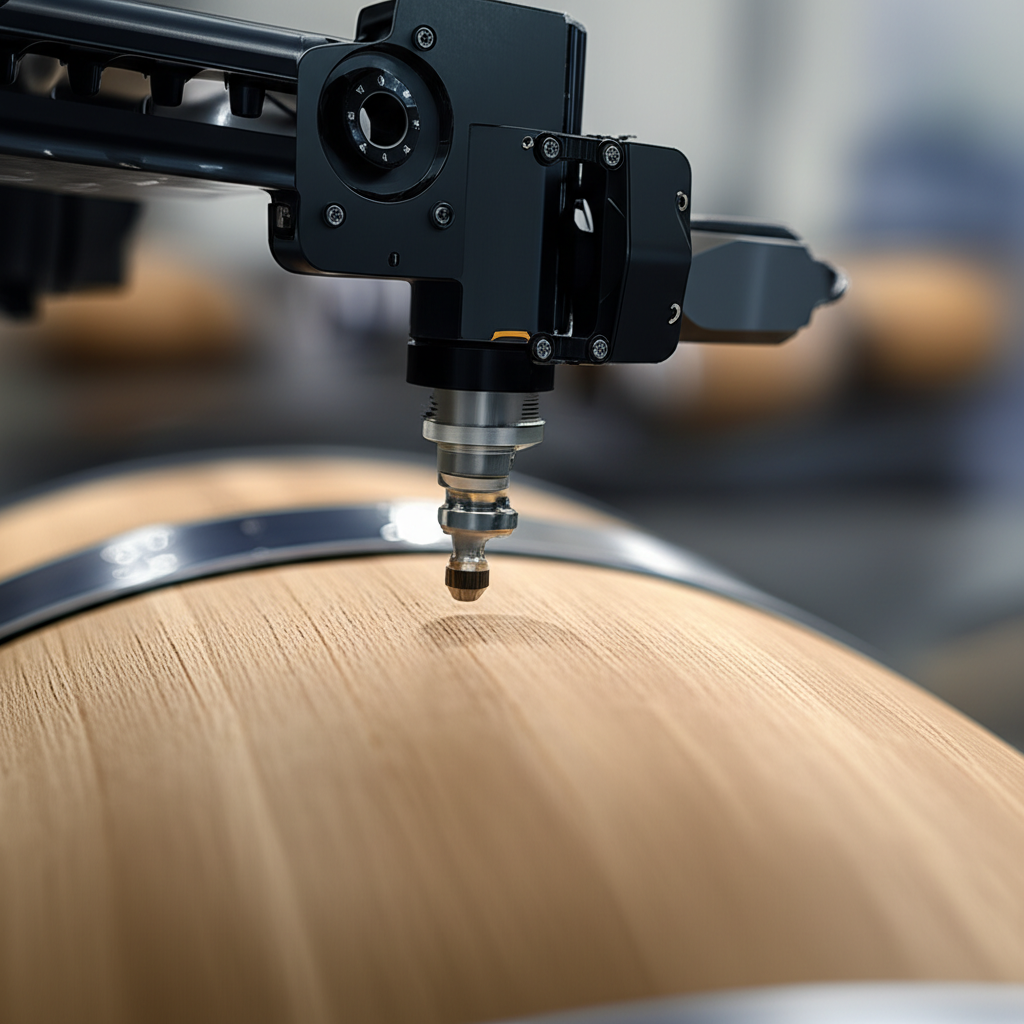
The core of this innovation lies not just in the robot itself, but in the custom integration developed by Scottish engineers. According to reports from The Engineer and The National, the National Manufacturing Institute Scotland (NMIS) validated a proprietary robotic sensing kit specifically for this application.
The system utilizes a specialized sensor held by a 3D-printed arm, which was engineered at the NMIS Digital Process Manufacturing Centre (DPMC) in Irvine. As the robot traverses a defined path through the vast warehouse aisles, the sensor continuously monitors ethanol vapor levels. This allows for the precise localization of leaks that might be invisible to the human eye or located in hard-to-reach areas of the stacked inventory.
Context: From Breweries to Bonded Warehouses
The integration of Boston Dynamics' Spot into industrial environments has been accelerating. Data from Boston Dynamics and industry reports indicate that the platform has previously been utilized for safety hazards and routine inspections in oil and gas refineries. Notably, AB InBev utilized Spot robots in Belgium to conduct thousands of inspections across packaging lines, demonstrating the robot's capacity to handle repetitive, high-volume tasks.
However, the whisky environment presents unique challenges. Warehouses are often filled with flammable vapors, requiring equipment to meet strict safety standards. The collaboration with the Scotch Whisky Research Institute (SWRI) suggests a rigorous validation process to ensure the robotics do not pose an ignition risk in these volatile atmospheres.
Expert Perspectives and Stakeholder Views
The primary driver for Bacardi is the intersection of efficiency and innovation. Angus Holmes, whisky category director at Bacardi, emphasized the forward-looking nature of the trial.
"We're proud to be playing our part to pioneer this new technology in the whisky industry and look forward to progressing from these trials to developing a live system that can be used at our sites in the future," Holmes stated in reports from Daily Business.
This sentiment reflects a broader trend where traditional heritage brands are adopting Industry 4.0 technologies to protect their inventory-in this case, liquid gold that requires years, sometimes decades, to mature.
Implications for Industry and Society
Business and Technology
The financial implications are substantial. While the "Angel's Share" accounts for an expected 2% loss annually, structural leaks can drain casks prematurely. Identifying these leaks early saves thousands of dollars per cask, particularly for aged expressions. Furthermore, the success of the NMIS sensing kit demonstrates that regional manufacturing institutes can effectively bridge the gap between off-the-shelf robotics (like Spot) and niche industrial needs.
Safety and Labor
Entering a bonded warehouse with high ethanol concentrations poses health risks to human workers. By assigning the "sniffing" role to a robot, Bacardi reduces human exposure to potentially hazardous environments. This aligns with broader safety trends seen in Boston Dynamics' deployments in other sectors, where robots handle "dull, dirty, and dangerous" tasks.
Outlook: What Happens Next?
The current phase is a validation trial. If successful, Bacardi aims to roll out a live system across its sites. The involvement of the Scotch Whisky Research Institute suggests that if the data proves the robot's efficacy, this could become an industry standard for major distillers. Future iterations may include acoustic sensors to detect leaks via vibration data-a capability Boston Dynamics has already begun testing with other partners.
As the technology matures, we can expect to see "Royal Barkla" and its kin becoming permanent fixtures in the silent, dark warehouses where Scotland's most famous export sleeps.