AUSTIN, Texas - In a decisive move that accelerates the timeline for self-driving technology, Tesla has begun testing its robotaxi fleet without human safety monitors in the driver's seat. The development, confirmed by CEO Elon Musk during an xAI event in mid-December 2025, marks a critical transition from supervised driver assistance to potential Level 4 autonomy. While the vehicles currently operate within a geo-fenced area of Austin, the removal of human oversight signals Tesla's confidence in its latest Full Self-Driving (FSD) software iteration, triggering a fresh wave of investor optimism and regulatory scrutiny.
According to reports from Teslarati and InsideEVs, the testing phase involves vehicles navigating public roads with no occupants, a milestone Musk described as "pretty much solved" regarding the technical capability, with the company now focusing on validation. This shift arrives alongside a recent Delaware Supreme Court ruling reversing the voidance of Musk's 2018 compensation package, further solidifying his leadership position as the company pushes toward a driverless future.
From Supervised to Unsupervised: The New Timeline
The transition to unsupervised testing represents a significant technical leap. As of December 15, 2025, Musk confirmed that the removal of safety monitors in Austin would proceed immediately, with broader validation expected in the coming weeks. Data from Notateslaapp indicates that while the service status is currently listed as "Testing," making it unavailable to the general public, the infrastructure for a paid ride-hailing network is being actively laid.
"Unsupervised (Full-Self Driving) is pretty much solved at this point, we're just going through validation right now." - Elon Musk, xAI Hackathon, December 2025
This operational shift is supported by recent regulatory wins. Ainvest reports that Tesla has secured a permit from the Texas Department of Licensing and Regulation (TDLR) for robotaxi operations, paving the way for a potential statewide driverless service by 2026. Furthermore, approval from the Arizona Department of Transportation in early December positions the state as a secondary testing ground, expanding the footprint beyond Tesla's Texas headquarters.
The Regulatory Divide: Texas vs. California
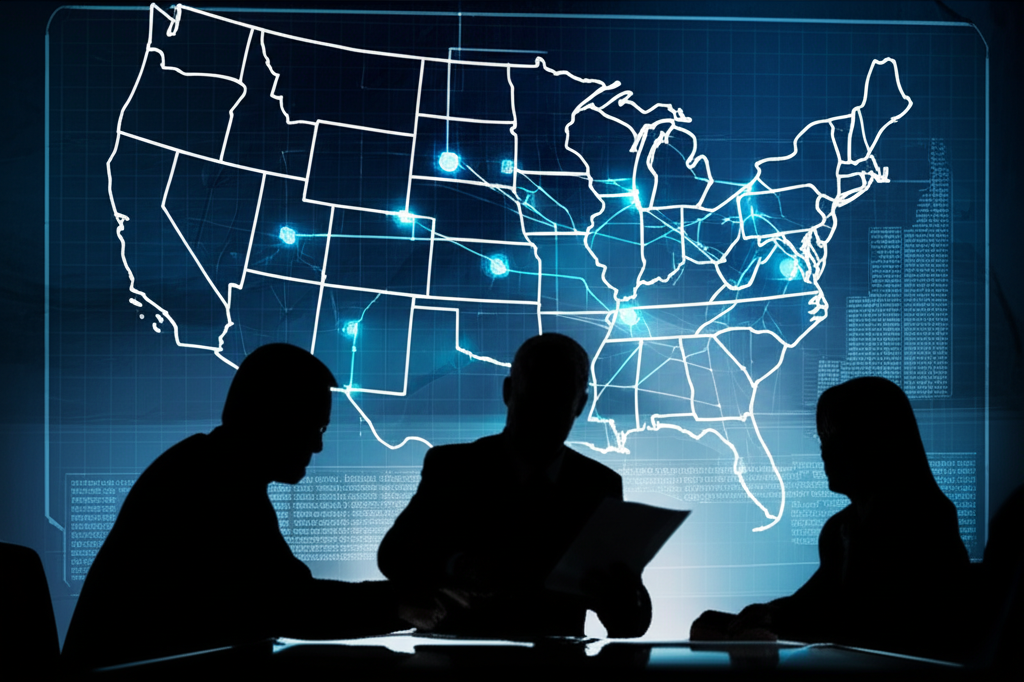
While Tesla advances rapidly in the deregulation-friendly environments of Texas and Arizona, significant hurdles remain elsewhere. The regulatory landscape in the United States is becoming increasingly fragmented. In California, a key market for EV adoption, Tesla's rollout is stalling. POLITICO reported in July 2025 that Tesla had been meeting with the California DMV regarding a "ridesharing" service, but documents revealed the scope was far more limited than the driverless vision promised by Musk.
Current reports from Electrek and Autoblog highlight that Tesla has lagged in completing necessary paperwork for broader operations in states like Nevada and California. Musk himself has lamented the "red tape" in California, contrasting it with the smoother approval processes in Texas. This disparity suggests a staggered rollout where autonomous services may be available in some U.S. cities years before others, driven more by local policy than technological readiness.
Safety and Public Trust
Despite the technical progress, public skepticism remains a formidable barrier. A 2025 survey by the American Automobile Association (AAA), cited by CNBC, found that 66% of U.S. drivers still feel fearful of autonomous vehicles. Tesla's approach includes a safety net: the current testing in Austin utilizes teleoperation support, allowing human operators to intervene remotely if the system encounters edge cases. This "human-in-the-loop" model is a standard industry practice, used by competitors like Waymo, to bridge the gap between testing and full independence.
Economic Implications and Market Reaction
The financial stakes of this deployment are immense. Following the news of unsupervised testing, Tesla's stock saw upward movement, driven by analyst predictions that envision a fleet of 1 million robotaxis by 2035. Carbon Credits notes that while the current Austin tests are not a commercial service, they represent a "clear technical milestone" that investors view as a precursor to a high-margin revenue stream. If successful, this creates a new business model for Tesla, transitioning it from a hardware manufacturer to a transport-as-a-service provider.
However, Ainvest analysts caution that FSD adoption rates currently hover between 13-19% fleet-wide. For the robotaxi model to succeed financially, Tesla must not only perfect the technology but also convince regulators and insurers that a camera-based, unsupervised system is statistically safer than human drivers.
Forward Outlook: The Road to 2026
Looking ahead, 2026 appears to be the target year for commercial viability in select markets. With the Texas TDLR permit in hand, the company is poised to launch paid services in Austin first, followed potentially by Phoenix, Arizona. The competition is intensifying, with Waymo already operating commercial fleets and Zoox expanding its presence. Tesla's advantage lies in its massive fleet of existing vehicles that could theoretically be "activated" as robotaxis, provided regulatory bodies grant approval.
The coming months will be a stress test for the "unsupervised" claim. As validation data accumulates from the streets of Austin, the world will see whether Tesla's vision of a driverless future can finally match its ambitious timelines.