LONDON - The global search for an Alzheimer's cure has increasingly turned its focus toward the body's own cellular maintenance systems. In a significant development for neurodegenerative medicine, a string of recent high-profile studies has identified organic polyamines-specifically spermine and its precursor, spermidine-as potent agents capable of halting memory decline and mitigating neurotoxicity.
According to research published just three weeks ago in Nature Communications, spermine has been observed to modulate Alzheimer's Tau proteins and Parkinson's α-synuclein, implicating it directly in the prevention of biomolecular condensation that leads to neurodegeneration. This discovery aligns with a surge of data from 2024 and 2025 suggesting that these naturally occurring compounds could be the key to unlocking the brain's ability to repair itself.
The Science of Cellular "Housekeeping"
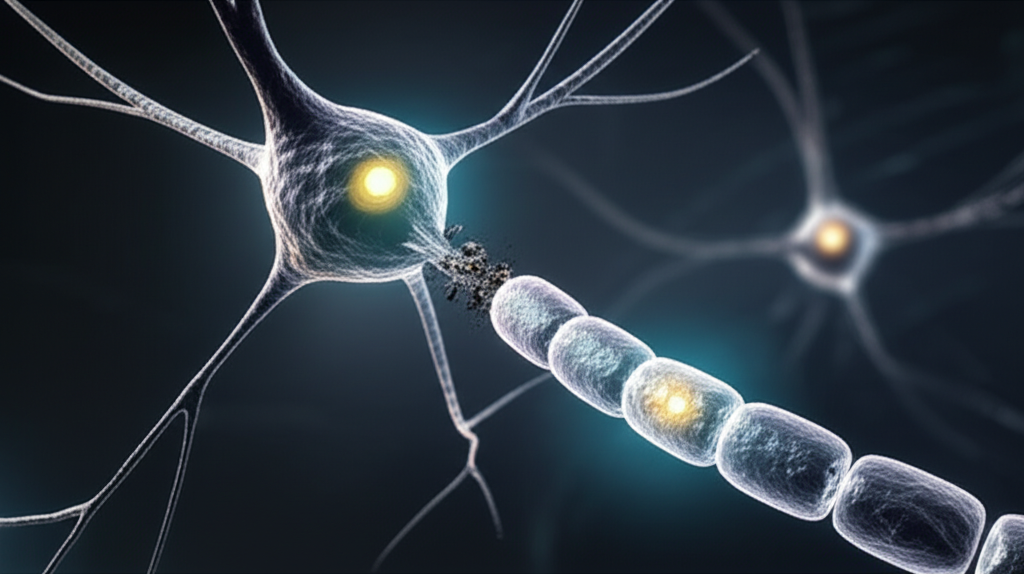
At the heart of these findings is a biological process called autophagy-essentially the body's internal recycling program. As we age, this process slows down, allowing toxic proteins like amyloid beta and Tau to accumulate in the brain.
A pivotal study published in Cell Death & Disease in May 2024 illuminated the delicate balance required to trigger this process. Researchers found that a reduction of spermine synthase-the enzyme that converts spermidine to spermine-actually enhances autophagy to suppress Tau accumulation. This suggests a complex interplay where elevated levels of spermidine, resulting from the inhibition of its conversion, drive the "cleaning" mechanism.
"Spermidine is known to induce autophagy by inhibiting different acetyltransferases... and to extend the life span of flies, worms and yeast." - Journal of Neuroinflammation
Therapeutic Synergy and Mechanisms
The therapeutic potential extends beyond simple supplementation. Recent investigations reported by ScienceDirect and PubMed in early 2024 indicate a synergistic effect when spermidine is combined with other agents, such as ciprofloxacin. These studies suggest that the combination may offer benefits against Alzheimer's Disease by modulating ferroptosis-a type of programmed cell death dependent on iron.
Furthermore, data from MDPI highlights that spermidine rescues bioenergetic deficits. By suppressing the overproduction of Reactive Oxygen Species (ROS) and reducing necrotic cell death, the compound effectively shields aging mitochondria from stress-induced damage. This "mitophagy" pathway-the specific removal of damaged mitochondria-appears to be a primary mechanism for the compound's neuroprotective effects.
Implications for the Biotech Sector
The shift from managing symptoms to targeting cellular mechanisms represents a major opportunity for the biotechnology sector. While current Alzheimer's treatments often focus on clearing plaques after they form, polyamine-based therapies aim to prevent the accumulation by keeping the autophagy machinery running smoothly.
According to a May 2025 review in ScienceDirect, accumulative evidence now firmly positions spermidine as having "lifespan extension, neuroprotection, cardioprotection, anti-inflammation, and antioxidant effects." This broad spectrum of benefits is likely to accelerate investment in synthetic analogues and precise delivery systems that can increase polyamine levels in the brain without systemic side effects.
Outlook: From Lab to Clinic
Despite the promising data, challenges remain in translating these findings into standardized therapies. A key hurdle, as noted in the Cell Death & Disease study, is managing the metabolic balance; under pathological conditions, the conversion rates between spermidine and spermine can fluctuate, potentially leading to increased oxidative stress if not carefully regulated.
However, human trials are showing promise. Reports confirm that oral spermidine intake has a positive effect on memory performance in older adults, maintaining a strong safety profile. As research progresses through 2025, the focus will likely shift toward optimizing dosages and identifying the specific patient subgroups that respond best to autophagy-inducing therapies.