SAN FRANCISCO - In a critical turning point for digital infrastructure, artificial intelligence is beginning to solve the very problem it helped create: the exponential demand for data storage and energy. As data centers grapple with the massive resource requirements of generative AI, a new wave of AI-driven optimization tools is emerging to slash storage costs and streamline operations.
Recent industry reports and technical analyses from major stakeholders indicate that organizations are increasingly deploying AI algorithms to dynamically allocate CPU, memory, and storage resources. By moving away from static provisioning to real-time, demand-based management, companies are significantly reducing the "over-provisioning" that has historically plagued enterprise IT, ensuring critical applications run efficiently without wasted overhead.
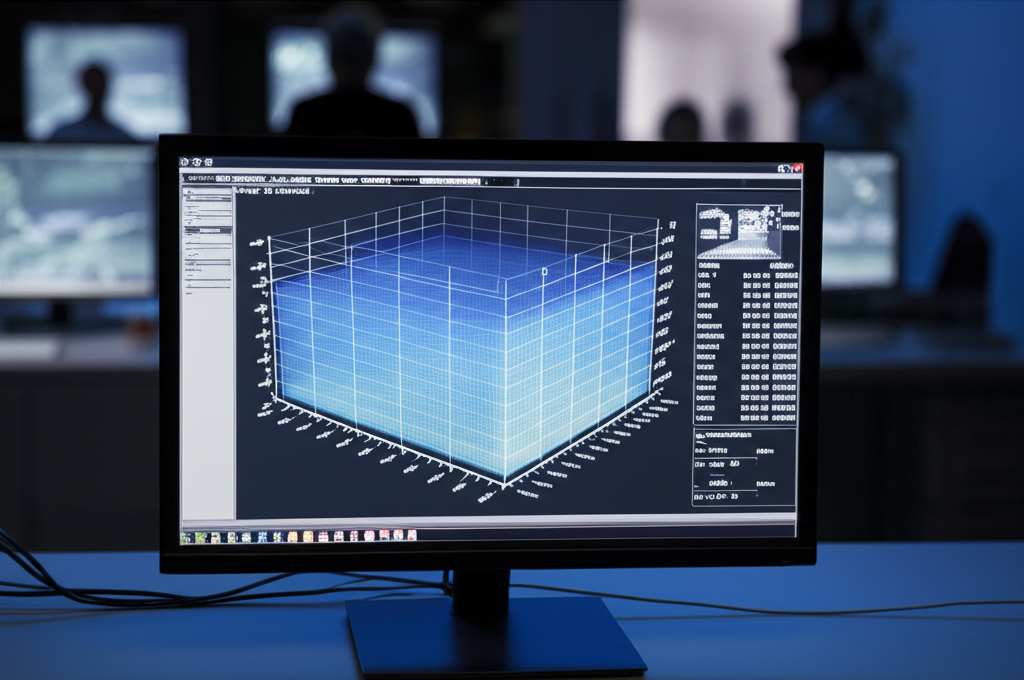
The Mechanics of Reduction: Compression and Deduplication
At the heart of this transformation is the ability of AI to intelligently shrink the data footprint. According to Astera, advanced algorithms can now automatically identify patterns and redundancies within vast datasets. These systems adaptively compress data in ways that minimize storage requirements while maintaining optimal performance and quality. This process is critical for handling the petabytes of data required for training large language models (LLMs).
DataBank notes that these data compression and deduplication techniques are becoming standard practice. Deduplication identifies and eliminates redundant data copies, further reducing storage overhead. This is not merely a space-saving measure; it is a direct cost-saving mechanism that lowers the physical hardware requirements for data retention.
Hardware Innovations and Architecture Shifts
The physical architecture of storage is also evolving to meet these new demands. Network World reports that storage constraints are currently adding to the AI data center bottleneck. To combat this, the industry is turning to Quad-Level Cell (QLC) technology. Roger Corell, a senior director at Solidigm, indicated that QLC is optimized for network-attached storage and is capable of handling the petabyte and exabyte-scale pipelines inherent to AI workloads.
Seagate highlights the importance of "scale-up" and "scale-out" configurations utilizing OpenZFS, an enterprise-level file system known for high performance and data protection. According to Seagate's technical analysis, scale-out architecture provides linear performance scalability by adding nodes, utilizing erasure coding and replica techniques to ensure high availability. This flexibility allows data centers to maximize density while prioritizing cost reduction, a crucial balance for smaller-scale AI/ML workloads.
"Modern storage can maximize GPU utilization, reduce power consumption, and reduce your physical footprint with greater capacity." - Solidigm Report
Energy Efficiency and Sustainability
The operational costs of AI are inextricably linked to energy consumption. Deloitte Insights predicts that storage capacity needs are likely to double between 2023 and 2027, reaching 21 zettabytes. This growth places immense pressure on power grids and cooling systems.
However, AI is also providing the solution to the energy crisis it exacerbates. Pure Storage outlines strategies such as batch processing, where smaller tasks are aggregated into larger groups to optimize resource utilization and reduce the energy overhead associated with frequent task switching. Additionally, MIT Sloan reports that intelligent energy-reduction strategies can automatically shift non-time-sensitive AI workloads to run at different times or in geographic zones where energy is cheaper or cleaner.
Nlyte adds that AI analytics transform operations by monitoring real-time demand to dynamically allocate resources. This ensures that cooling and power are used only where necessary, minimizing waste and supporting sustainability goals.
Expert Perspectives on the Future
Experts from the Storage Networking Industry Association (SNIA) emphasize that storage optimized for AI must possess high performance throughput to stage data on GPU clusters, balanced with a cost-effective mass storage tier. This tiered approach is essential for the economic viability of training large models.
Looking forward, Omdia suggests that scalability will remain a primary consideration for IT management. As edge computing expands, AiThority notes that AI and ML will play a pivotal role in optimizing data storage at edge locations, ensuring efficient use of limited resources outside the traditional data center.
The consensus among industry leaders is clear: the future of storage is autonomous. Platforms like Sedai are already demonstrating the capability to optimize compute and storage across major cloud providers like AWS and Azure autonomously. As these technologies mature, the cost barrier for entering the AI space is expected to lower, democratizing access to high-performance computing resources.