In a significant development for the longevity sector, researchers at King's College London have discovered that theobromine, a naturally occurring compound in cocoa beans, may possess potent anti-aging properties. The study, published this week in the peer-reviewed journal Aging, indicates that individuals with higher circulating levels of theobromine in their blood exhibit fewer markers of biological aging, potentially reshaping how the medical community views dietary interventions for longevity.
The findings come at a time of heightened global interest in "biohacking" and functional foods. While dark chocolate has long been touted for its antioxidant benefits, this research provides the first concrete evidence linking its primary alkaloid specifically to the deceleration of the body's internal clock. The study's release on December 10, 2025, has already triggered discussions among biotech investors and food regulators regarding the classification and labeling of bioactive compounds.
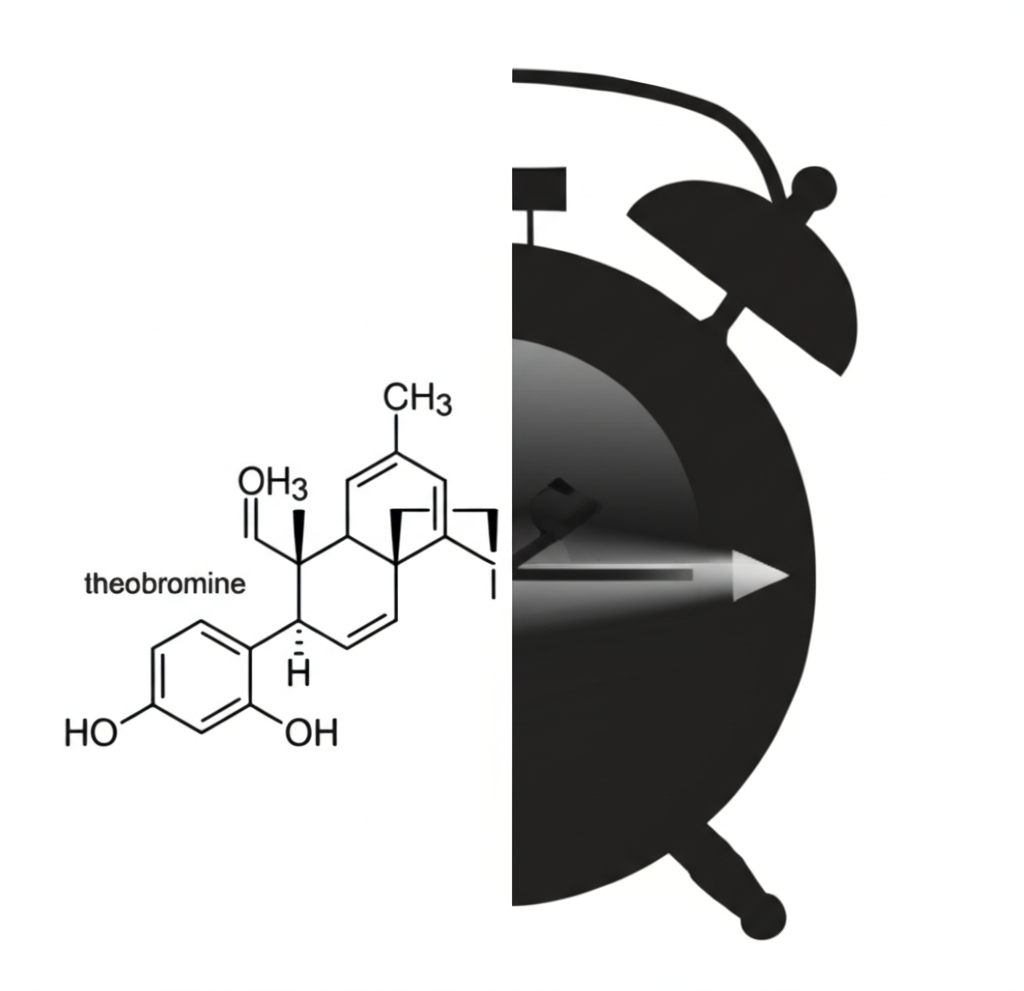
Analyzing the Data: From Nematodes to Humans
The research team employed a multi-phase approach to validate their hypothesis. Initially focusing on model organisms, specifically the nematode C. elegans, scientists observed that theobromine exposure resulted in a measurable extension of lifespan. These findings were subsequently correlated with human data, where blood analysis revealed a significant inverse relationship between theobromine concentration and biological age markers.
According to reports from ZME Science and Everyday Health, the biological impact extends beyond simple cellular preservation. The compound appears to influence several critical physiological pathways:
- Neuroprotection: Animal studies suggest theobromine boosts Brain-Derived Neurotrophic Factor (BDNF), a protein essential for learning and memory retention.
- Metabolic Health: The compound was associated with improved lipid profiles and lower blood pressure, corroborating previous research on cardiovascular health.
- Cellular Efficiency: There is evidence that theobromine may increase NAD+/Sirt-1 activity, a critical pathway often compromised in diabetic conditions and aging tissues.
"The study found that people with higher levels of theobromine in their blood had fewer markers of biological aging." - Everyday Health, reporting on King's College London findings.
Contextualizing the "Superfood" Narrative
This discovery does not exist in a vacuum. The scientific community has been investigating the methylxanthine class of compounds-which includes caffeine and theobromine-for years. A 2023 study at Mass General Brigham Hospital previously identified cocoa's potential to reduce cognitive decline in high-risk dementia patients. Furthermore, research from Georgia State University in 2024 highlighted dark chocolate's role in improving mental energy and fatigue recovery.
However, experts caution that the source matters. Theobromine is distinct from caffeine; it acts as a milder stimulant but has a longer half-life in the body. Unlike caffeine, which can cause jitters and vasoconstriction, theobromine acts as a vasodilator, helping to lower blood pressure-a mechanism highlighted by TCHO and MedicalXpress. The new King's College London data effectively bridges the gap between these known short-term benefits and long-term biological longevity.
The Regulatory Gap
A critical issue raised by this research is the lack of transparency in the food industry. According to data published in Functional Foods in Health and Disease, there are currently "no specific regulations governing the labeling of dark chocolate or its bioactive component quantities." This presents a significant challenge for consumers attempting to use chocolate as a therapeutic intervention.
While chocolate is the primary source of theobromine in the Western diet, the concentration varies wildly depending on the percentage of cocoa solids and the manufacturing process. Without standardized labeling, consumers cannot accurately gauge their intake of the compound linked to these anti-aging effects.
Implications for Industry and Society
The confirmation of theobromine's anti-aging potential is likely to have ripple effects across several sectors.
Commercial Shift: We anticipate a surge in "high-theobromine" marketing claims. Chocolate manufacturers may pivot from marketing flavor profiles to highlighting chemical analysis, similar to how olive oil brands now advertise polyphenol counts. This could drive the premiumization of the dark chocolate market, separating craft, high-cocoa products from mass-market confectionary.
Pharmaceutical Interest: The findings discussed in Discover Magazine regarding theobromine's ability to "tweak gene switches" suggest potential pharmaceutical applications. Biotech firms may investigate isolated theobromine as a supplement or drug candidate for managing age-related metabolic decline, bypassing the caloric load of chocolate entirely.
Public Health: On a societal level, this reinforces the shift toward "food as medicine." However, nutritionists warn that the benefits of theobromine must be weighed against the sugar and fat content of chocolate. The anti-aging benefits observed in the study are linked to the compound itself, not the sugary vehicle often used to deliver it.
Outlook: What Comes Next?
Following the publication of these findings in Aging, the immediate next step for the scientific community involves large-scale longitudinal studies to determine the optimal dosage. Current data establishes an association, but causation and dosage protocols remain to be standardized.
Furthermore, regulatory bodies in the UK and EU may face pressure to establish testing standards for bioactive compounds in confectionary if health claims become more aggressive. As stated in reports by Nutrition Insight, the anti-aging narrative is a powerful market driver; without strict oversight, the line between proven science and marketing hyperbole risks becoming blurred.
For now, the research suggests that a square of high-percentage dark chocolate may be more than just a treat-it could be a strategic investment in long-term biological health.