NEW YORK - After years of geopolitical maneuvering and legislative pressure, the saga of TikTok's future in the United States has reached a decisive turning point. ByteDance, the Chinese parent company of the viral video platform, has officially signed a deal to divest its U.S. operations to a consortium of investors led by Oracle and Silver Lake. The agreement, designed to satisfy national security concerns and avert a looming nationwide ban, will transfer control of the app's American footprint to a newly formed entity: TikTok USDS Joint Venture LLC.
According to reports from CNBC and Reuters, the deal effectively restructures TikTok's presence in its largest market. The new joint venture will be managed by American cloud giant Oracle, private equity firm Silver Lake, and the Abu Dhabi-based investment firm MGX. The transaction is expected to close in January 2026, ensuring that the app remains available to its 170 million U.S. users without interruption.
The Structure of the Deal
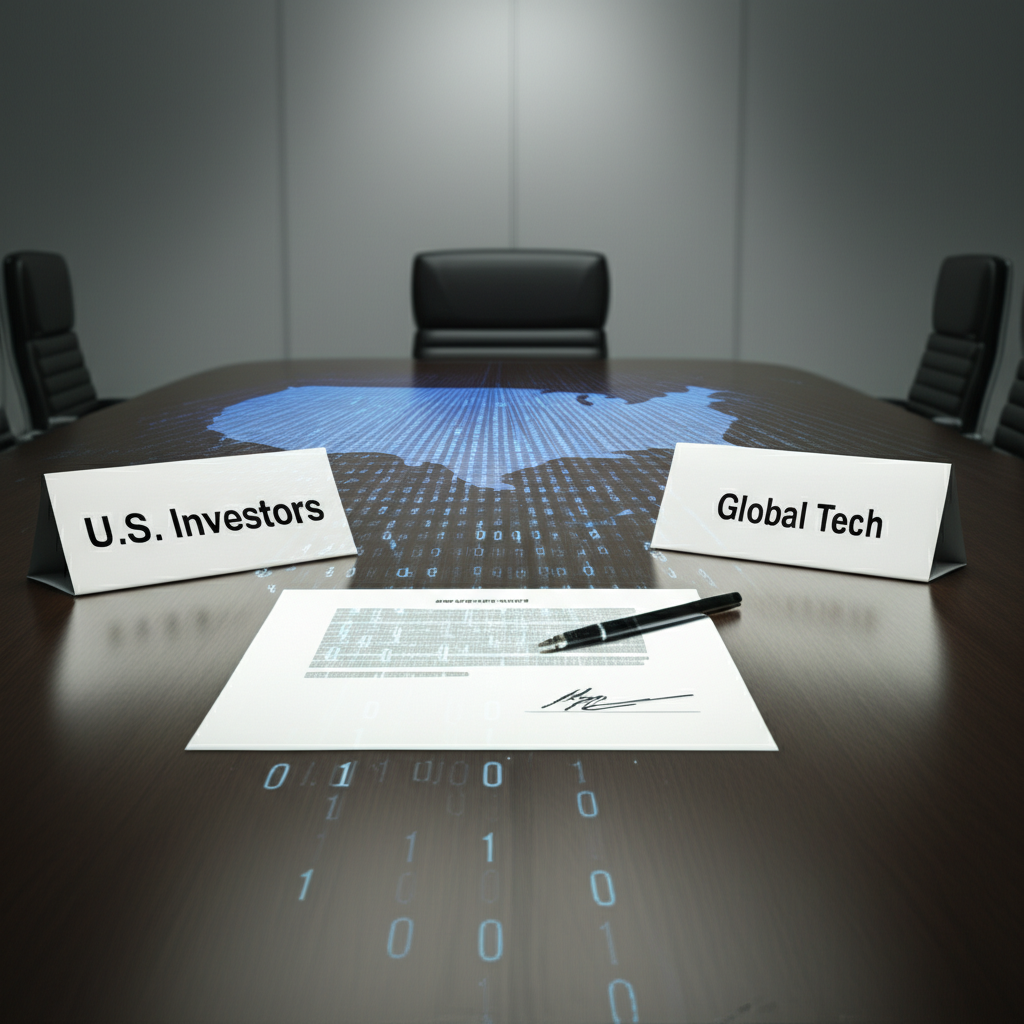
The finalized agreement creates a complex ownership structure intended to sever the direct operational control previously held by Beijing-based ByteDance. According to details obtained by Axios and The Hollywood Reporter, the new entity, TikTok USDS Joint Venture LLC, will see significant equity held by the buying consortium.
Key structural details include:
- Managing Investors: Oracle, Silver Lake, and MGX will serve as the "managing investors." Reports from the BBC and Breitbart indicate that these three firms will each hold approximately 15% of the new entity, collectively controlling around 45-50%.
- ByteDance's Role: The Chinese tech giant will retain a minority stake, estimated at 19.9%, stripping it of majority control.
- Cloud Infrastructure: Oracle's involvement goes beyond equity; the firm will continue to host TikTok's U.S. user data, a critical component in addressing data sovereignty concerns.
Timeline and Context
This resolution comes just ahead of deadlines established by U.S. law. In 2024, Congress passed legislation mandating that ByteDance divest its U.S. assets or face a total ban on app stores. This "sell-or-ban" law was driven by fears that the Chinese government could compel ByteDance to hand over American user data or manipulate the content algorithm for propaganda purposes.
According to El-Balad and MacRumors, the deal is set to be finalized by January 22, 2026. This date is critical, as it likely aligns with regulatory grace periods allowed under the divestiture law. The journey to this point has been long; as The Palm Beach Post notes, Oracle nearly acquired TikTok's U.S. operations in 2020 during the Trump administration, but that deal stalled amidst court challenges.
Stakeholder Perspectives
The announcement has triggered immediate reactions across the business and political spectrum. For TikTok, the primary goal was survival.
"The sale means that TikTok will avoid a US government ban and remain available to more than 170 million people who use it in the United States." - Shou Zi Chew, TikTok CEO, via DW
For Oracle, the deal represents a massive victory for its cloud division. Following the news, CNBC reported that Oracle stock jumped 7%, reflecting investor confidence in the revenue potential of hosting one of the world's most data-intensive applications.
Politically, the deal appears to satisfy the core demands of Washington. Vice President JD Vance previously noted in September that the new U.S. company would be valued around $14 billion, though Reuters indicates the final valuation has not been publicly confirmed. Rep. John Moolenaar, chair of the China panel, has demanded an urgent briefing, according to PBS News, signaling that while the deal is signed, congressional oversight will remain rigorous.
Implications for Tech and Society
The finalization of this sale has profound implications for the digital landscape.
Algorithm Control
A key point of contention was the recommendation algorithm, often described as TikTok's "secret sauce." Ars Technica reports that under the new arrangement, the U.S. joint venture will likely license the algorithm rather than own the code outright. This distinction allows ByteDance to protect its core IP while granting the U.S. entity operational autonomy over what content is served to American users.
Data Privacy
With Oracle and Silver Lake at the helm, the narrative shifts from "Chinese spyware" to "American-managed platform." However, privacy experts note that ownership change does not automatically equate to superior privacy practices. The focus will now shift to how the new entity monetizes data and whether it adheres to U.S. privacy standards more strictly than its predecessor.
What Comes Next?
As the January 2026 closing date approaches, the transition process will accelerate. We can expect to see the formal transfer of assets and potentially a rebranding or restructuring of TikTok's corporate identity in the U.S. For the average user, the app experience is unlikely to change overnight. However, the governance behind the screen has fundamentally shifted.
Regulators will be watching closely to ensure that the "firewall" between ByteDance and TikTok USDS is impenetrable. With the threat of a ban dissolved, the new ownership group must now prove that this hybrid model-combining Chinese innovation with American oversight-is sustainable in the long term.