SEATTLE - Enterprise network security faces a renewed critical alert as cybersecurity researchers and vendors issue urgent updates regarding a severe vulnerability in WatchGuard Firebox and XTM appliances. The flaw, identified as CVE-2022-26318, allows unauthenticated remote attackers to execute arbitrary code on affected devices, effectively granting them full control over the network's first line of defense. With advisories updated as recently as September 2025, the persistence and severity of this vulnerability highlight a dangerous gap in perimeter security for organizations worldwide.
The vulnerability poses a systemic risk because it targets the management interface of the firewall itself. According to WatchGuard's updated advisory, the flaw stems from a null pointer dereference issue that exposes the system to exploitation without requiring any login credentials. This "pre-authentication" nature of the exploit makes it particularly dangerous, as attackers can compromise the appliance simply by establishing a network connection to the exposed management port.
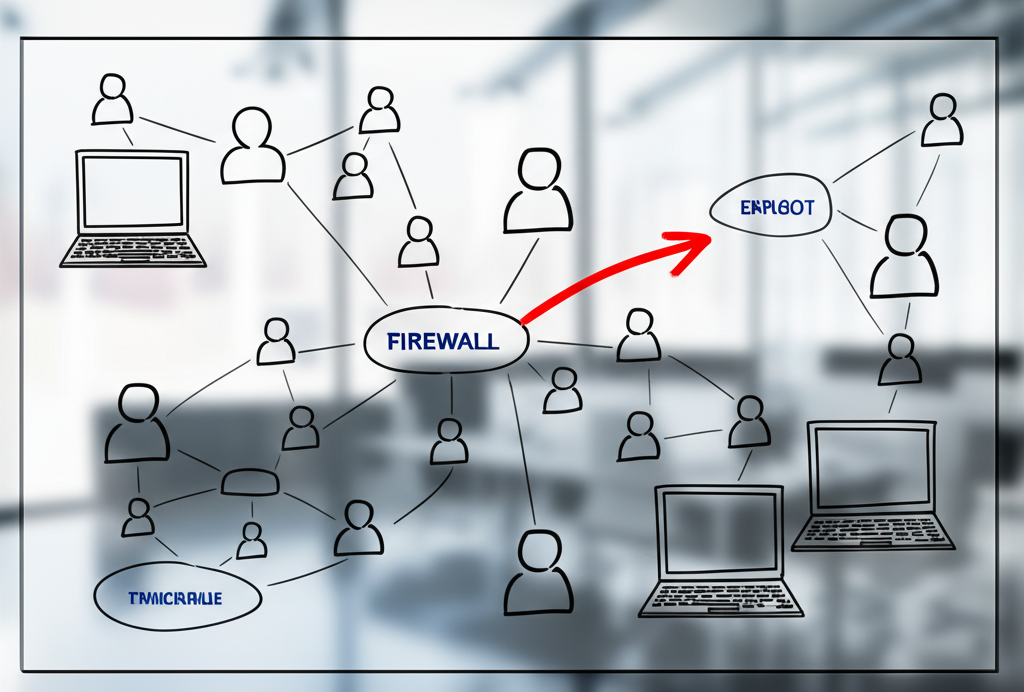
Anatomy of a Critical Failure
The technical specifics of CVE-2022-26318 reveal a fragility in the appliance's code architecture. Research from CloudDefense.ai indicates that the vulnerability enables unauthorized users to trigger a buffer overflow in the administration interface, specifically targeting ports 8080 or 4117. This interface relies on a CherryPy Python backend that sends XML-RPC requests to a C binary known as wgagent. It is within this communication pathway that the flaw exists.
Security firm Rapid7 has classified the exploit complexity, noting that while the mechanism involves a specific sequence of XML-RPC requests, the impact is total system compromise. The vulnerability affects a wide range of Fireware OS versions, specifically:
• Fireware OS before 12.7.2_U2
• Fireware OS 12.x before 12.1.3_U8
• Fireware OS 12.2.x through 12.5.x before 12.5.9_U2
"On WatchGuard Firebox and XTM appliances, an unauthenticated user can execute arbitrary code, aka FBX-22786." - GreyNoise Cybersecurity Intelligence
The 2025 Resurgence
While the CVE identifier dates to 2022, the urgency surrounding this flaw has not diminished. WatchGuard updated their official advisory on September 5, 2025, reinforcing the need for administrators to verify their patch status. Furthermore, activity on repositories like GitHub suggests that detection templates and proof-of-concept discussions remain active as of July 2025. This enduring relevance suggests that unpatched legacy devices remain connected to the internet, providing a fertile hunting ground for threat actors.
Expert Perspectives on Detection and Remediation
The cybersecurity community has been vocal about the difficulty and necessity of remediation. Assetnote researchers documented the initial challenges in verifying the exploit, noting that obtaining vulnerable firmware versions for testing was complex. However, once the environment was replicated, the severity was undeniable. The Cybersecurity and Infrastructure Security Agency (CISA) has previously cataloged this vulnerability, mandating federal agencies to apply updates per vendor instructions-a directive that serves as a best-practice benchmark for the private sector.
According to Feedly threat intelligence data, the vulnerability carries a CVSS score of 9.8 out of 10, categorizing it as "Critical." This score reflects the ease of exploitation (network accessible, no privileges required) combined with the catastrophic potential of the impact (complete loss of confidentiality, integrity, and availability).
Implications for Enterprise Security
The business implications of CVE-2022-26318 extend beyond immediate IT disruption. A compromised firewall allows attackers to inspect traffic, pivot to internal servers, and deploy ransomware deep within a corporate network. For industries relying on strict compliance-such as healthcare and finance-a breach at the perimeter level constitutes a massive regulatory failure.
Experts argue that this vulnerability highlights the dangers of exposing management interfaces to the public internet. The standard recommendation is to restrict access to these ports (8080, 4117) to trusted internal networks or via VPNs only. Reliance on the appliance's self-defense mechanisms alone is insufficient when the software itself contains logic errors.
Outlook: The Race to Patch
Moving forward, organizations utilizing WatchGuard Firebox or XTM hardware must audit their firmware versions immediately. The release of updated advisories in late 2025 indicates that vendors are still tracking active interest or unmitigated risks associated with this flaw. Network administrators should prioritize upgrading to Fireware OS versions 12.7.2_U2 or higher where applicable to close this security loophole.
As automated exploit scripts become more refined-evidenced by the availability of templates on platforms like GitHub-the window for "security by obscurity" has closed. The only viable defense remains a rigorous, proactive patching regimen.