MOUNTAIN VIEW - Alphabet Inc.'s Google has officially confirmed its return to the consumer eyewear market, announcing a strategic plan to launch two distinct categories of artificial intelligence-powered smart glasses in 2026. This move, reported by multiple outlets including Bloomberg and CNBC, positions the tech giant for a direct confrontation with Meta Platforms Inc. in the race to define the post-smartphone era of ambient computing.
According to reports from Bloomberg and The Economic Times, Google is developing a dual-product lineup: a "screen-free" model focused on audio assistance and camera capabilities, and a second model featuring a heads-up display (HUD). Both devices will be powered by Google's Gemini AI models, aiming to integrate digital assistance seamlessly into the user's physical reality.
A Tale of Two Models
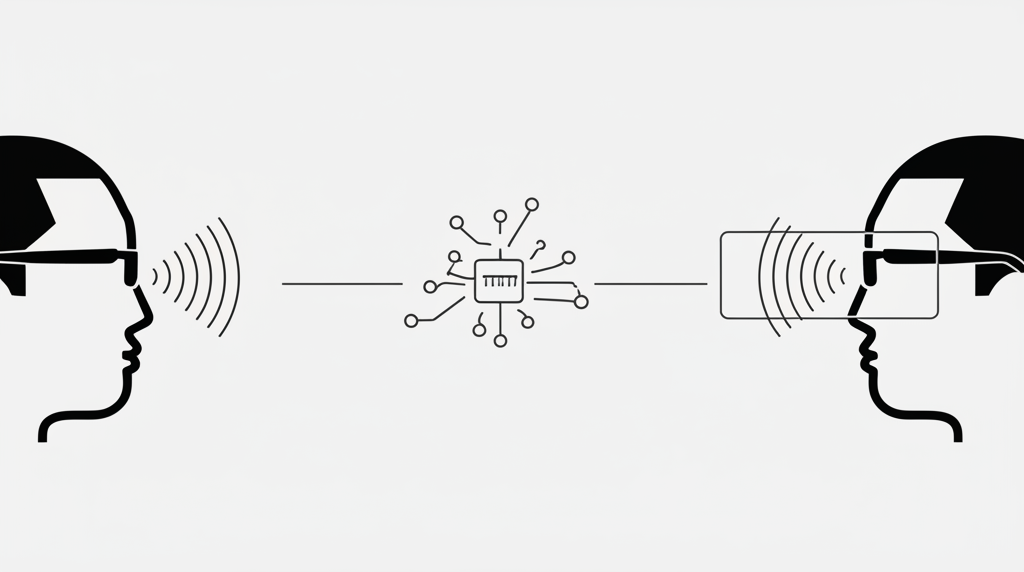
The 2026 launch strategy reveals a nuanced understanding of the current wearable market. The first category, described by TechCrunch and MacRumors as "screen-free assistance," appears designed to compete directly with the commercially successful Ray-Ban Meta smart glasses. These glasses will utilize built-in microphones, speakers, and cameras to allow users to communicate naturally with the Gemini assistant, take photos, and receive real-time auditory help without a visual interface distraction.
The second category targets a more immersive experience. UploadVR notes that Google teased glasses with a fixed heads-up display (HUD) at I/O 2024. These prototypes displayed white text for AI responses and utilized a blue audio input indicator, suggesting a focus on overlaying information onto the real world-a feature absent in the current market-leading smart glasses from Meta.
Strategic Partnerships and Development
To ensure these devices appeal to mainstream consumers rather than just tech enthusiasts, Google is looking beyond Silicon Valley for design expertise. Reuters reports that Warby Parker is collaborating with Google to develop these lightweight AI-powered frames. This partnership mirrors the strategy seen in the Meta-Ray Ban alliance, acknowledging that smart glasses must first function as stylish accessories.
"Warby Parker said on Monday it is collaborating with Alphabet's Google to develop lightweight AI-powered glasses, with the first product expected to launch in 2026." - Reuters
Furthermore, Android Central highlights that the underlying software foundation, Android XR, will not only power Google's own hardware but also serve as the platform for devices from partners like Samsung. This indicates Google is attempting to build a broader ecosystem for spatial computing, rather than a single proprietary walled garden.
Privacy and Technical Challenges
Google appears to be acutely aware of the social friction that doomed the original Google Glass. CNN Business reports that prototypes feature a prominent light indicating when the camera or AI image editing model is in use. This directly addresses privacy concerns regarding surreptitious recording.
According to CNN, Google executives note that the company has "learned from what happened with Glasses." The integration allows users to delete prompts and activity within the app, suggesting a robust privacy framework will accompany the hardware launch.
Market Implications and Outlook
The 2026 timeline sets the stage for a significant escalation in the "face computer" wars. DIGITIMES suggests that by expanding its push into consumer AI devices, Google is attempting to reclaim ground lost to Meta, whose smart glasses have surprisingly gained traction. For the business sector, this signals that AI is moving from desktop chat interfaces to active, real-world context awareness.
What Happens Next?
While the hardware is slated for 2026, the software capabilities are likely to be previewed earlier. With the recent launch of Gemini 2.0, mentioned by The Verge, industry observers expect Google to continue refining the multimodal capabilities of its AI-improving how it sees and hears-long before the glasses hit retail shelves. As the partnership with Warby Parker matures, we can expect further details on design and pricing to emerge throughout late 2025.