JEDDAH, Saudi Arabia - The landscape of electric motorsport has undergone its most significant strategic shift since the abolition of car swaps, as Formula E officially introduces rapid-charging pit stops to the World Championship. Known as "Pit Boost," the technology debuted during the 2024/25 season, marking the first time in the series' history that cars have recharged during a race. The innovation, powered by 600kW chargers, represents not just a sporting evolution but a critical stress test for the future of electric vehicle (EV) infrastructure.
The introduction of the technology, formerly referred to as "Attack Charge," comes after significant anticipation and delays. According to the ABB FIA Formula E World Championship, the system mandates a minimum pit stop time of 34 seconds, with 30 seconds allocated specifically for energy transfer. This brief window allows for a surge of energy that fundamentally alters race strategy, forcing teams to balance raw pace with energy management in real-time.
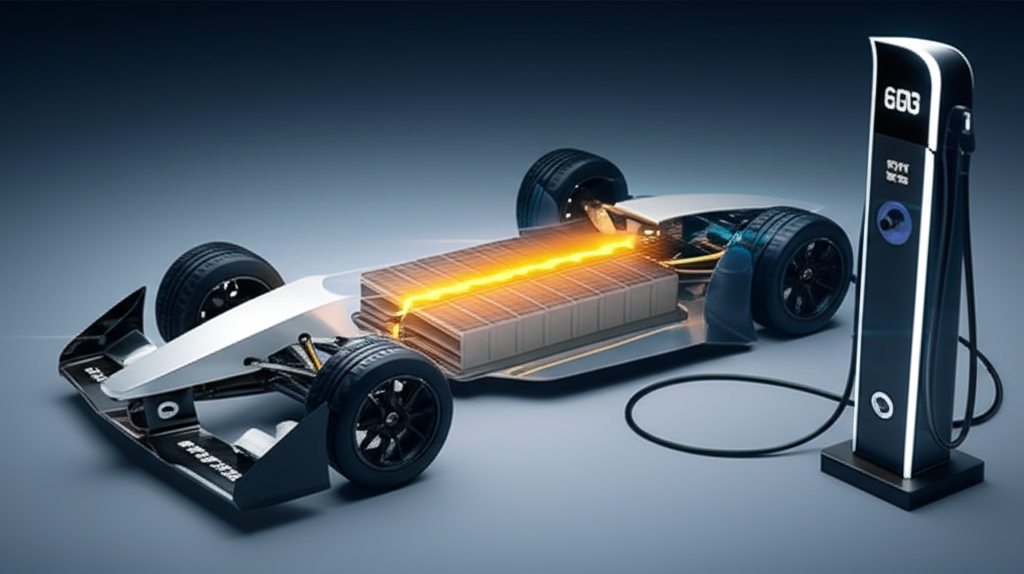
The Mechanics of the 'Pit Boost'
The technical specifications of the Pit Boost system highlight the cutting-edge nature of the Gen3 era cars. Porsche Newsroom reports that the system delivers 600 kilowatts of power-a figure that dwarfs current consumer standards. To put this in perspective, Ars Technica notes that this rate is "more than twice as much power as a Tesla Supercharger."
During the mandatory 34-second stop, the charging process injects approximately 3.85 kWh (roughly 4 kWh) of energy into the battery. This amounts to about 10% of the car's total battery capacity. The boosters, provided by Fortescue Zero (formerly Williams Advanced Engineering), are designed to handle this "flash-charging" intensity without compromising the battery's integrity over the season.
"Drivers must serve a minimum pit stop time of 34 seconds, with 30 seconds of that being allocated for the charging itself. This new sporting feature is a huge technological step forward in EV charging." - FIA Formula E Editorial Team
Timeline of Delays and Implementation
The road to the 2024/25 debut has been long. Initial plans intended for fast-charging to launch alongside the Gen3 car in 2023. However, The Race reported that implementation was pushed back due to reliability concerns, with Porsche motorsport boss Thomas Laudenbach expressing relief that the technology was not rushed into the mid-2023 season. This cautious approach ensured that the hardware could reliably handle the extreme 600kW loads across different racing conditions.
The regulations now specify strict protocols for these stops. According to FormulaNerds, the use of Attack Charge is determined on a race-by-race basis. Crucially, teams are forbidden from changing tires until the charge is complete, and "double stacking" (servicing two teammates simultaneously in the pit lane) is prohibited to ensure safety and fairness in the pit lane.
Stakeholder Perspectives and Strategic Impact
For teams and drivers, Pit Boost reintroduces a layer of strategy absent since the Gen1 era. Motorsport.com notes that the mandate requires drivers to balance aggressive energy consumption with the knowledge that a mid-race top-up is available. However, because the stop is mandatory and fixed in duration, the advantage is gained not by the speed of the pit crew, but by how the driver utilizes the extra energy on track.
Discussions on Reddit and other fan forums highlight that while the pit lanes in Formula E are often tight and slow, the mandatory nature of the stop neutralizes the time loss disadvantage, focusing the competition on on-track efficiency and overtaking capability post-charge.
Technological Implications for Society
From Track to Road
The primary relevance of this development extends far beyond the circuit. The 600kW charging capability is a proof-of-concept for the next generation of consumer electric vehicles. BBC Sport quotes officials suggesting that this technology could bring "ultra-fast charging for street cars in five years." If consumer EVs could accept a 10% charge in 30 seconds-or a full charge in under ten minutes-range anxiety would effectively be eliminated.
The Future of Charging Infrastructure
The successful deployment of 600kW chargers in a mobile, high-stress environment demonstrates the viability of high-power infrastructure. As The Drive noted, current commercial fast chargers typically peak around 350kW. Formula E is pushing the envelope to 600kW, validating the thermal management and battery chemistry required to handle such massive power inflows safely.
Looking Ahead
With the successful debut in Jeddah, the Pit Boost format is expected to roll out to more races throughout the season. Stakeholders will be watching closely to see if the technology remains reliable and if it improves the racing spectacle as intended. As automakers like Porsche and Jaguar continue to use Formula E as a testbed, the data gathered from these 30-second bursts of power will likely inform the architecture of electric road cars for the remainder of the decade.