MILAN - The era of the electric commuter moped is evolving into the age of the high-performance electric motorcycle. In a definitive move that signals a major pivot for the Japanese automotive giant, Honda has officially unveiled the Honda WN7, its first fast-charge capable electric sports motorcycle, at EICMA 2025. The launch marks a critical transition from experimental concepts to commercial viability, addressing the two biggest hurdles in two-wheeled electrification: charging speed and infrastructure compatibility.
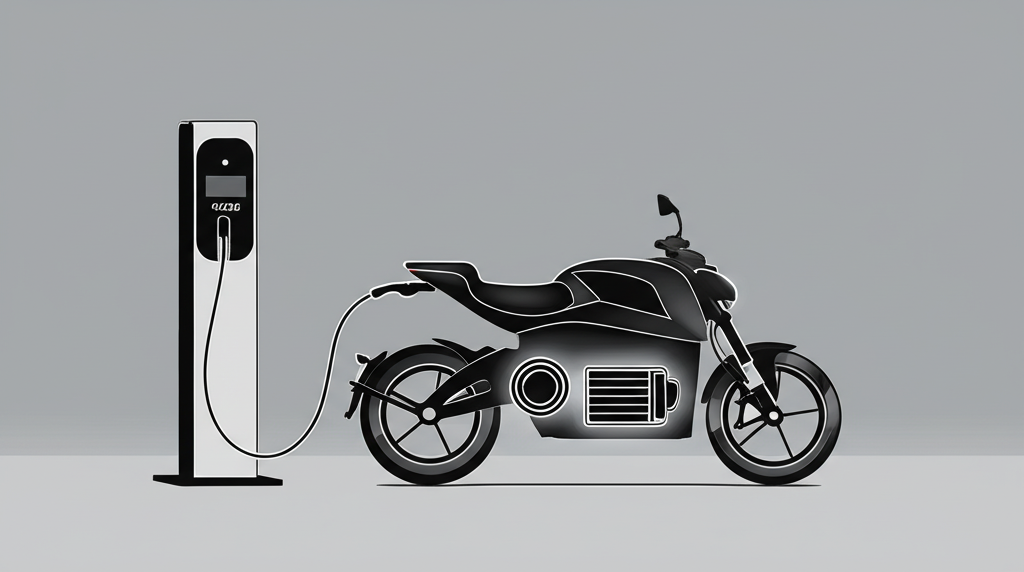
According to statements released by Honda Global on November 4, 2025, the WN7 is the production realization of the "EV Fun Concept" teased a year prior. Unlike previous offerings restricted to low-speed urban commuting, the WN7 integrates a 9.3 kWh fixed lithium-ion battery compatible with the CCS2 fast-charging standard-the same plug used by full-sized electric cars. This development places Honda in direct competition with established electric-only manufacturers and suggests a broader industry standardization is underway.
From Concept to Connector: The WN7 Specs
The unveiling of the WN7 at EICMA 2025 represents the culmination of a multi-year strategy. Motor Mative reported in August 2025 that the vehicle would offer performance comparable to a mid-sized internal combustion engine (ICE) motorcycle, specifically in the 500-800cc range. This is a significant leap from the Honda EM1 e, a moped-class vehicle released in 2024 which Motorcycle News noted was capable of just 28 mph.
Key technical specifications confirmed by Honda Global include:
- Battery Architecture: A 9.3 kWh fixed lithium-ion unit.
- Charging Standards: Support for CCS2 fast charging and Type 2 normal charging, allowing riders to utilize standard public EV infrastructure.
- Range & Performance: A cruising range exceeding 100 km (62 miles) designed primarily for urban and peri-urban use, with a vibration-free ride characteristic of electric powertrains.
"It offers performance equivalent to a mid-sized internal combustion engine (ICE) motorcycle... scheduled for commercialization in 2025." - The EV Report
Context: A Calculated Acceleration
Honda's journey to this point has been methodical. As reported by Visordown as early as 2021, CEO Toshihiro Mibe announced an ambitious plan to release multiple electric models by 2024. While the timeline for high-performance bikes stretched into late 2025, the company laid the groundwork with smaller vehicles.
In late 2024, Honda Stories highlighted the company's full-scale entry into Asia, specifically launching commuter models in India. Simultaneously, the European market saw the introduction of concepts like the "EV Urban Concept." The WN7 appears to be the flagship of this global strategy, targeting Western markets where fast-charging infrastructure is more prevalent. Autopost noted in September 2025 that the initial rollout targets the European market, leaving U.S. riders waiting for confirmed delivery dates.
Design and User Experience
The design philosophy behind the WN7 prioritizes integration with existing automotive ecosystems. By adopting the CCS2 standard, Honda admits that electric motorcycles cannot exist in a vacuum; they must share the grid with cars. Designboom highlighted that despite the electric powertrain, the vehicle retains the naked sports aesthetic, ensuring it appeals to traditionalists while offering the "quiet" advantages of electric mobility.
Implications for the EV Sector
The launch of the WN7 carries significant weight for the broader transportation sector. Historically, legacy motorcycle manufacturers have been hesitant to adopt the bulky CCS fast-charging ports, often citing design constraints. Honda's adoption validates the technology for two-wheelers.
Infrastructure Standardization: With Honda-the world's largest motorcycle manufacturer-utilizing CCS2, pressure mounts on competitors and charging network operators to ensure stations are motorcycle-accessible.
Market Competition: The Financial Express reported that a new Honda electric motorcycle production plant is set to start operations in 2028. This long-term capital investment indicates that the WN7 is not a compliance vehicle but the beginning of mass-market electric saturation, posing a threat to EV-exclusive startups that have enjoyed a lack of competition from legacy brands.
Future Outlook
Looking ahead, the industry expects a rapid expansion of Honda's electric lineup. SlashGear reports that following the commercialization of the WN7 in late 2025, further models are anticipated. The focus will likely shift to battery density and range extension, as 100 km remains a limiting factor for touring.
Furthermore, regulatory environments in Europe and Asia are pushing for faster adoption of zero-emission vehicles. Honda's strategy appears timed to meet these looming deadlines. As the WN7 hits European roads, the success of its fast-charging capability will likely determine the pace at which other major manufacturers, such as Yamaha and Kawasaki, follow suit.